

How to Make Your Home Feline Friendly


For those who have a dog, the talk is all about morning walks, playing fetch, learning tricks and other ways to make the home environment fun, exciting and filled with all that a dog loves.

But, how can you do the same for your cat?

You can help ensure that your feline is feeling fine all day long by providing a few amenities that will help them exercise, play and engage in some of their natural behaviours to keep them healthy and happy.

Hide and Seek

We’ve all talked about how a cat will take any opportunity to jump into a box.  There is a good reason for this.  Cats love to hide – on a chair under the table, cat trees, cat pods or the box the microwave came in.  providing some spaces as cozy hideaways will always be appreciated by your cat.  But, try not to let them be completely isolated, especially if your cat is a little shy as this may not help them gain confidence easily.

Toys

Play provides cats with the mental and physical exercise they need. It can also build confidence in a fearful cat, and strengthen the bond between you and your pet. Cat toys can be purchased or home-made from items such as pipe cleaners, plastic bottle caps or balled-up socks with a pinch of catnip to make it more interesting.  You learn how to make cat toys on our website here.

A Place to Rest

Just like people, cats should have a comfortable place to rest and just hang out.  These can include a cat bed, platform on a cat tree or even a safe shelf somewhere in the home.  Be sure not to clean it very often as a cat will be comforted by its own scent – making the resting spot even that much more special!

Vertical space

Cats are built to climb and perch! Be it the top of the cat tree or perhaps on top of your kitchen cabinets, cats love to survey their world from above.   They may also seek higher ground when they encounter a new person, object or situation as it can allow them to feel more safe and secure as they watch their surroundings to “see what happens” or for perceived threats.  Be sure to have a few spots where they are allowed to climb unhindered and as much as they like.

Scratching posts

Cats scratch for many reasons and it’s a natural and ‘hard-wired’ behaviour.  Scratching helps to spread pheromones, remove old claw material and even communicate!  They will scratch so it’s crucial to provide a place where they can easily do their scratching, which will also help avoid them doing so on the new couch! It’s best to provide multiple scratching places such as cat posts and trees and scratch pads.  Offer both vertical and horizontal options for your cat and with different materials (carpet, cardboard, etc.) and make the places you want them to scratch as alluring as possible by rubbing it with a little catnip for extra appeal!

Puzzle feeders

If you’ve ever watched Animal Planet, you may have noticed that in the wild, felines spend most of their waking hours hunting and eating.  Our domestic cats are usually fed a couple of times a day from a bowl – pretty easy-peasy!  Not having to hunt can also leave a large part of their day free to get into trouble.  Puzzle feeders make it a challenge to get at a piece of food.  Whether rolling a ball so a kibble falls out of a hole or uncovering hidden nuggets of food in a tray, puzzle feeders help cats exercise both physically and mentally – and can provide some wonderful entertainment for you.  Dozens of styles of puzzle feeders are available commercially or you can make your own with items you already have such as ice cube trays, egg cartons or toilet paper rolls.

TIP: A quick online search will give you plenty of ideas on how to make your puzzles!
 

Warm Weather Fun!


As we move into the busy summer months, and restrictions begin to ease on gatherings, we may finally be able to get out into the sunshine more to enjoy all that the season has to offer.  Much of this might also include our pets.  Here are a few things to keep in mind while you enjoy your summer fun!

Have fun at a safe distance  

Be sure to continue to follow provincial public health guidelines and practice physical distancing. Avoid large group walks, wash your hands before and after you venture out and keep your animal from interacting with others if possible.

Ticks the Season!

While early spring is peak tick time, those little bugs can be active all summer.  If you walk your dog through brush or tall grasses, give him a quick once-over to ensure he didn’t pick up any unwanted hitchhikers along the way.  You may even want to consult your veterinarian on ways to avoid tick exposure and any tick-related diseases.

Who doesn’t love the park!

If you plan on bringing your pooch along to picnics, snacks in the yard or while you BBQ, make sure to watch your food and be sure to keep them away from chocolate, raisins, grapes, onions and the sweetener Xylitol. Xylitol can be found in sugar-free candy, sugar-free baked goods, and sugar-free gum. Dogs ingesting Xylitol can suffer a drop in blood sugar that can be fatal in some cases.

Keep alcoholic beverages out of your pets’ reach. Alcohol effects animals far more than it does humans. When consumed in large amounts, it can cause a drop in blood sugar and blood temperature. This can lead to seizures and respiratory failure.

Make sure your pets are a safe distance away from your grill.  Hot coals and ashes could cause serious burns. Always be sure the barbeque is cooled down once you’ve finished cooking and never leave pets on their own around it while it’s still hot. You should also keep your pets away from matches or lighter fluid.

Always be aware of your dog’s condition.  Running and playing outside on hot days may cause your pooch to overheat, which can be dangerous.

Signs that a pet could be in trouble from heat exposure include exaggerated panting, salivation, lack of co-ordination, convulsions vomiting, and collapse.

If your pet shows signs of heat stroke, take the following actions:

  • Gently move the animal to a cool, shady place
  • Wet your pet with cool water (not cold)
  • Fan vigorously to help cool
  • Do not apply ice which can inhibit blood flow and cooling
  • Allow your pet to drink luke-warm water
  • Take your pet to a veterinarian for treatment as soon as possible

Let’s all have a safe and happy summer!


Would Your Cat Love Its Own Catio?


Has your cat been itching to get outside for some fresh air and sunshine? There’s a purrfect solution – the Catio – a patio for cats that provides wonderful enrichment for your feline companion.  Your cat can enjoy the great outdoors in comfort and safety!

While cats do love the outdoors, allowing a cat to free-roam outdoors presents a host of risks that can often result in your beloved pet cat never making its way back home.

These dangers include but aren’t limited to:

  • Fights with other animals (dog attacks, cat fights)
  • Cars and traffic
  • Poisonous plants or chemicals
  • Disease
  • Wildlife
  • Abuse from humans

Catios allow cats to spend time outdoors, without encountering any of the risks of being outdoors. Catios can be custom built, or purchased ready-made. They can be as simple as enclosing a balcony with wire mesh or they can be their own free-standing structure.  Some cat owners even develop elaborate tunnels and direct entry from a house window so cats can come and go as they please.

The best catio provides:

  • Lots of vertical space
  • Enrichment items such as toys and cat friendly plants or grass
  • Fully confined so the cat cannot escape
  • Access to both shaded, and sunny areas
  • Free access to fresh water


If you think this might be a fun option for your cat, check out this video for some inspiration!


Tazee – Tragedy to Triumph, Thanks to You and His Foster Family


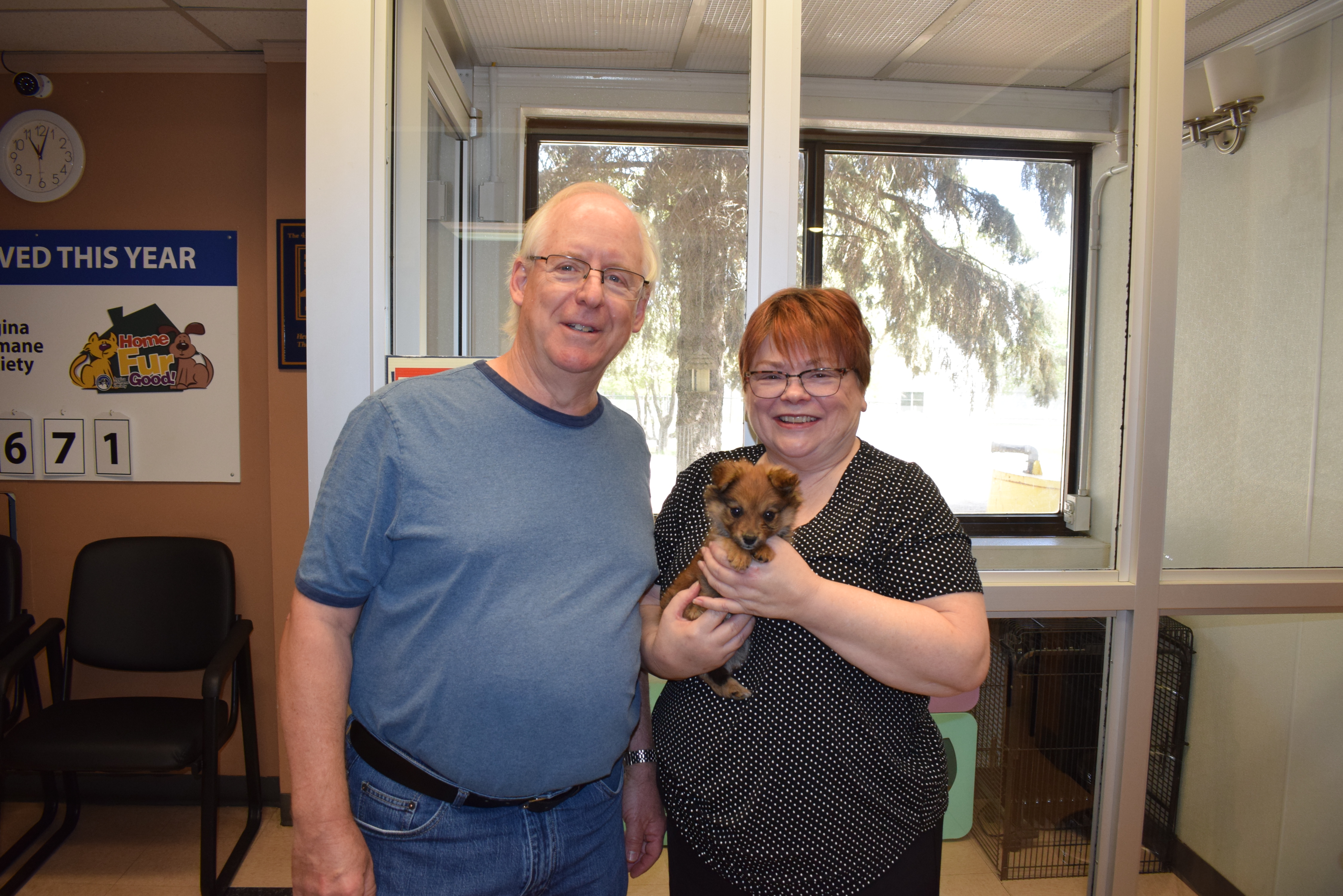
Tiny Tazee’s life started with tragedy.  He was born during the final days of March, and while his own birth went well, his mom was struggling with delivery of a sibling and was in distress.  Unfortunately, the complication was too severe to his mother and the other pup, and sadly neither could be saved.  At just minutes old, Tazee found himself an orphan, with no mother to care for him.

The outlook for a puppy in this situation is grim.  But thanks to your support, the Regina Humane Society Veterinary and Animal Care teams were ready and waiting when he was delivered to the shelter. Newborn puppies require around the clock attention to  feed, clean, and keep them warm.  When their mother is not there to provide this critical care, humans need to step in.  It is always best for these littlest of souls to move out of the shelter environment and into a quiet home setting where they can grow and thrive. This is where the Society’s Foster Care Program comes to the rescue.

Two of the Society’s foster caregivers, Velda and Murray, immediately stepped forward to offer their home and their hearts to the fragile puppy.  Tazee is the 101st  animal that they have fostered since joining the Foster Care Program in 2008.  Each of those pets needed a helping hand to heal, grow, and in some cases, simply to survive.  We knew Tazee was in good hands.

In the weeks that followed, Tazee grew into a fine little puppy.  While he didn’t have his mom, he did have Velda and Murray!  At 8 weeks of age, Tazee was old enough to return to the Shelter.  To everyone’s surprise, Velda and Murragy decided to make their 101st  foster pet a permanent member of their family! We salute and thank Velda and Murray for their years of dedication and sacrifice to help homeless animals.  And, we know if the animals could, they would too.

You can learn more about joining the RHS Foster Program here.


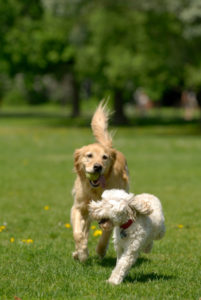
Dog Park Etiquette

Off leash dog parks can be a great outing for you and your dog.  But, ensuring everyone – dogs and people alike – have a great time, takes a little consideration, planning and etiquette.

Do your part to ensure off-leash parks remain safe and enjoyable for all by following a few easy tips:

  • Watch your dog at all times when at the park. Off-leash time means your dog will interact and socialize with other dogs which can be a good thing!  Ensure you set boundaries for your dog’s behaviour with praise for good behaviour and play activities and clear commands should your dog misbehave.  Be ready to intervene should your dog show signs of trouble such as baring of teeth, threatening growls or offensive posturing.  City of Regina bylaws dictate that an owner must have full control of their pet at all times, either by leash or voice command.  This applies to off-leash parks as well.
  • Dogs play best when each has an equal role in the game. For example, one dog chases the other for a time, and then it is the others turn to do the chasing. If your dog is doing all the chasing, he or she may not be popular with the other dogs for long.
  • If your dog has socialization, fear or aggression issues, the off leash park may not be the best place to be until you have had an opportunity to work on these behaviours. There are many qualified dog behaviourists in Regina who can help you help your dog be his or best when around other dog.
  • Bring bags to clean up after your dog.
  • When using toys such as throwing ball or other toys from home, be mindful should your dog become possessive of it. This could lead to an unwanted confrontation or fight with another dog.
  • Be sure your dog is spayed or neutered. Free roaming pets, even in an off-leash park, can and do create offspring.  Ensure you and your pet are not part of the pet overpopulation problem!
  • If you have young children, you may wish to avoid bringing them to the park. If you do, keep them with you at all times and avoid giving them toys or food when at the park.  Many a child has been bitten by an over enthusiastic dog grabbing at a bag of potato chips or other food item in the hands of a child.

Have fun at the park, but be safe!